
The Advanced Information To Scam
페이지 정보

본문
In a world where so much of life happens online, online safety is no longer a technical concern reserved for IT teams or security experts. It is a daily habit, much like locking your front door or checking the weather before leaving home. The difference is that digital risks are often invisible until damage is already done. A careless click, a reused password, or a rushed message can expose personal data, money, or even an entire identity. The good news is that staying safe online does not require paranoia. It requires awareness, consistency, and a few smart routines that fit naturally into everyday life.
Why online safety matters more than most people realize
Most people think of online safety as protection against obvious threats such as viruses or scam [just click the up coming internet page] emails. That is only part of the picture. Today, the bigger risk is often the slow accumulation of tiny exposures. A phone number shared in the wrong place, a social media quiz that reveals security clues, or a shopping account with weak privacy settings can create a chain of vulnerability that is hard to trace. Criminals do not always need sophisticated tools when ordinary habits hand them the information they need.
One overlooked aspect of online safety is how personal convenience can quietly weaken protection. Autofill tools, one-click logins, and saved payment methods are extremely useful, but they also reduce the friction that would normally make us pause. That pause matters. It is often the difference between a legitimate site and a convincing fake. In other words, online safety is not just about blocking threats; it is about building enough healthy friction into your digital routine to keep you alert.
 Another reason online safety matters is that digital mistakes scale quickly. A message sent to the wrong person can be forwarded in seconds. A compromised account can be used to target friends, coworkers, or customers. Unlike a lost key, which affects one door, a leaked password can open many. That is why online safety should be treated as a system, not a single action.
The everyday habits that create real protection
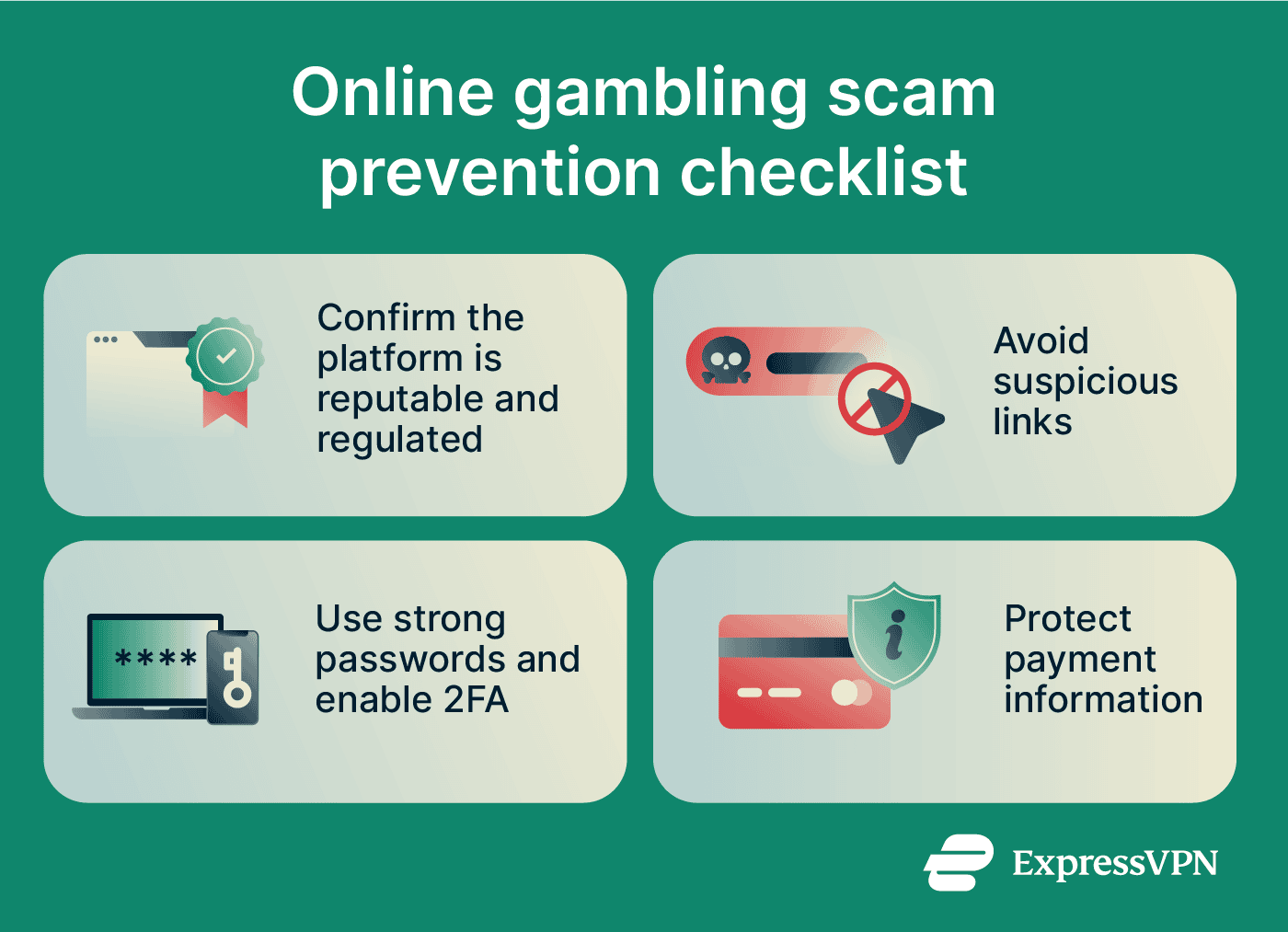
Strong online safety starts with passwords, but not in the simplistic "make them complicated" way many guides repeat. The real issue is uniqueness. A long password is helpful, but a unique password is what stops one breach from becoming many. If every account has its own password, then a leaked login from one website does not automatically endanger your email, banking, or cloud storage. A password manager makes this practical, and for most people it is one of the most effective online safety tools available.
Two-factor authentication adds another layer, but it works best when people understand what it is defending against. It is not just a code sent to your phone; it is a checkpoint that can stop someone who already knows your password. That matters because many attacks do not "hack" accounts in the dramatic sense. They simply reuse stolen passwords from old breaches. Enabling two-factor authentication on email, financial accounts, and social media is one of the simplest ways to raise your security without making daily life difficult.
Device updates are another habit that often gets underestimated. Many people delay updates because they assume they only add features or fix minor bugs. In reality, updates often close security gaps that attackers already know how to exploit. Delaying them is like hearing that your neighborhood has a broken lock and deciding to wait a few weeks before repairing it. If your phone, laptop, browser, and apps stay current, you reduce the number of easy entry points available to an attacker.
It also helps to think carefully about what you share. Online safety is not only about keeping strangers out; it is also about limiting what they can learn from public information. Birthdays, pet names, school names, and travel plans may seem harmless, but they can become useful puzzle pieces. A good rule is to share based on trust, not habit. Ask yourself whether the information would still feel appropriate if it were read aloud by a stranger in a crowded room.
Spotting danger before it becomes a problem
The most effective online safety skill is not technical knowledge. It is pattern recognition. Many scams work because they create urgency, emotional pressure, or confusion. They want you to act before you think. A fake invoice, a message about a locked account, or a "too good to miss" offer often carries the same hidden instruction: move quickly and bypass normal judgment.
A useful way to evaluate suspicious messages is to notice whether they try to narrow your options. Do they push you to click a link instead of visiting a site directly? Do they ask you to verify information that the company should already have? Do they create fear, excitement, or embarrassment? These emotional triggers are not accidental. They are designed to reduce the careful thinking that online safety depends on.
Phishing has also become more convincing because attackers now imitate tone as well as appearance. A message may look professional, but the wording may still feel slightly off. That small mismatch is often the clue. If something feels urgent and unusually personal at the same time, slow down. Check the sender address, open the official app separately, or contact the organization through a trusted channel. The safest response is rarely the fastest one.
 It is also wise to be cautious with public Wi-Fi, especially when signing into sensitive accounts. Open networks are convenient, but they can expose your activity if you are not careful. If you must use public Wi-Fi, avoid banking or other high-risk tasks unless you are using a trusted secure connection. The point is not to fear every network. It is to understand that convenience and safety are often in tension, and knowing when to choose one over the other is part of mature digital behavior.
Building a safer digital routine for the long term
Online safety becomes easier when it is built into a routine instead of treated like an emergency response. A monthly review of account security settings, saved devices, app permissions, and backup options can prevent problems long before they become visible. Think of it as a digital health check. You do not need to inspect everything every day, but you do need a rhythm.
Backups deserve more attention than they usually get. People often think of backups as something for lost photos or broken devices, but they are also a form of online safety. If ransomware, accidental deletion, or account lockout happens, a recent backup can turn a disaster into a manageable inconvenience. The smartest backup strategy is one you can actually use, not one that sounds impressive but sits untouched.
Families and small teams should also talk openly about online safety expectations. Many problems spread because people hesitate to mention mistakes. Someone clicks a suspicious link, enters a password on the wrong site, or downloads an unsafe file, then stays quiet out of embarrassment. A culture of calm reporting is far more protective than blame. When people feel safe admitting a mistake early, the damage can often be contained quickly.
Finally, it helps to remember that online safety is not about achieving perfection. No system is flawless. The goal is to make yourself a harder target and to recover quickly if something goes wrong. That mindset is more realistic and more effective than trying to eliminate every risk. A safe digital life is not built on fear. It is built on attention, good habits, and the willingness to pause before acting.
In the end, online safety is really about protecting the small choices that shape your bigger life. The internet rewards speed, but safety rewards thoughtfulness. If you choose strong passwords, turn on two-factor authentication, keep your devices updated, and stay alert to manipulation, you create a digital environment where you can work, shop, connect, and explore with far more confidence. That confidence is the real goal: not hiding from the online world, but moving through it wisely.
