
Highsfield for Fantasy Trailer Concepts: Directing Camera Movement
페이지 정보

본문
A short clip can leave a strong impression when its subject and movement agree. For fiction writers and concept artists considering Highsfield, the Seedance 2.5 workflow is best approached through a brief with an observable goal. Take a fictional concept for fantasy trailer concepts, designed to explore the scale of an original imaginary setting. Its value depends on a readable visual decision. Rather than promising a particular generated result, this exercise explains what to ask for and how to decide whether a draft is usable.
The public Highsfield workflow includes writing a scene, reviewing supported model settings and inspecting a completed result before download or sharing. That sequence is more useful than assuming a name alone defines the output. For Seedance 2.5, verify the live controls when you are ready to work. The examples discussed below remain published reference material, and the proposed scene remains a hypothetical planning exercise rather than a record of a tested job.

Make the Camera Explain the Scene
Consider a fictional assignment for fiction writers and concept artists. Its purpose is to explore the scale of an original imaginary setting. The setting is a stone tower above a forest at blue hour, and the required visual detail is the tower outline and stable horizon. Give the viewer one action to recognize before adding another. A fantasy scene benefits from one stable landmark. Adding creatures, combat, multiple camera moves and a changing landscape in the same brief makes it harder to know which part of the output is actually working.
Treat the frame as a boundary for the intended event. The viewer needs enough context to understand the setting, but the detail that matters is the tower outline and stable horizon. The camera should preserve that point of attention. Decide where the subject sits in the frame before adding movement. This prevents a visually energetic shot from drifting away from the very feature the clip was meant to introduce.
Translate the Idea Into a Seedance 2.5 Prompt
A proposed scene prompt could read: "Setting: a stone tower above a forest at blue hour. Action: Clouds pass slowly behind the tower. Camera: a wide locked landscape view. Preserve the tower outline and stable horizon. Keep the background stable and end with the subject still recognizable." This is an original planning example, not a tested generation record. Select only input and output options the current model actually supports.
Separate subject motion from camera motion in the brief. In this scene, clouds pass slowly behind the tower, while the view uses a wide locked landscape view. Those instructions should not quietly become two unrelated actions. State what stays fixed as clearly as what moves. The distinction is particularly useful when a reference image already establishes the object’s appearance but says nothing about how the shot should progress or where it should end.
Choose an ending frame that still communicates the same assignment. The view should not finish so close that the tower outline and stable horizon becomes abstract, or so wide that the subject disappears into the environment. The final viewpoint should complete the visual explanation. Describe the intended subject scale in the brief and use the completed clip to judge whether the movement delivers that scale consistently enough for the planned edit.
Study Published Images and Video Examples
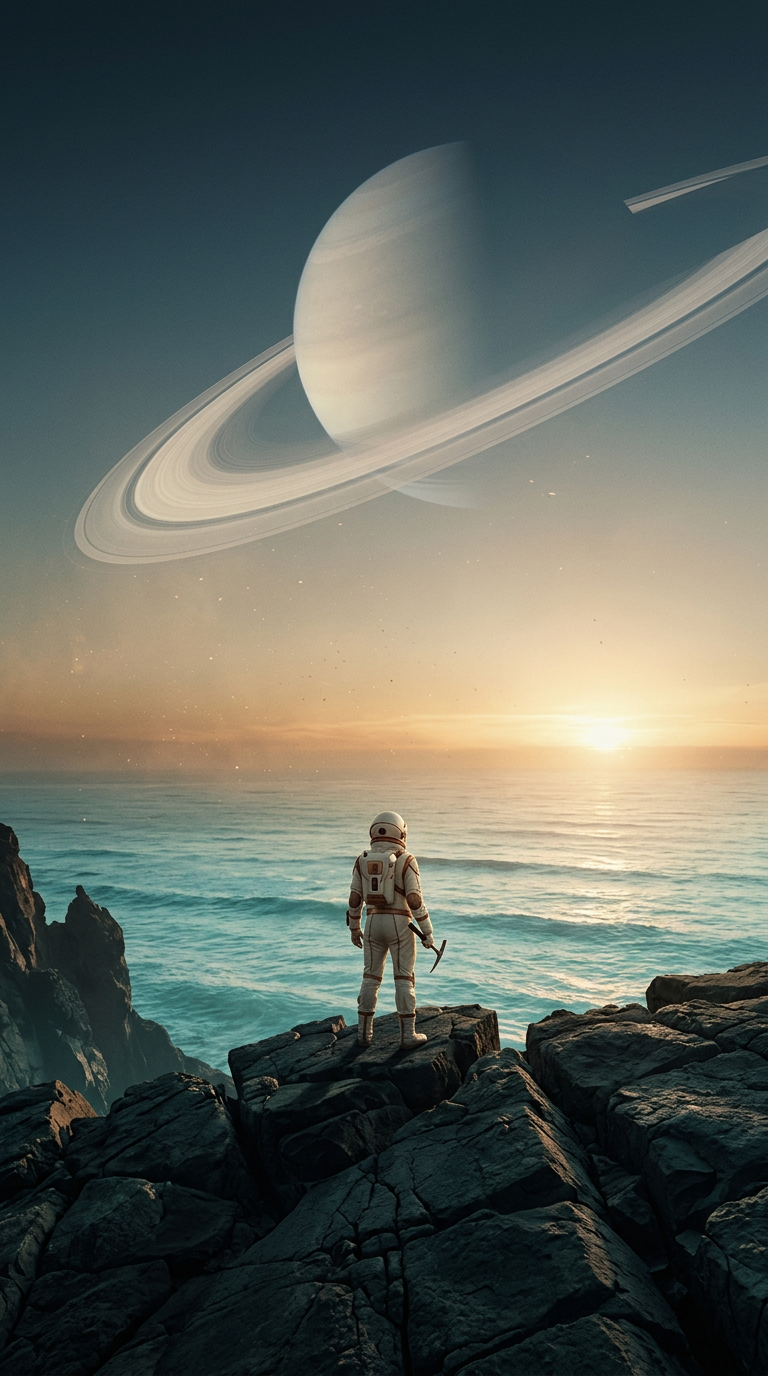 Published Highsfield visual reference: Science-fiction artwork with a lone explorer and ringed planet.
The published image shows a small explorer beneath a large ringed planet. It is useful for studying subject scale, a stable horizon and the way an environment establishes mood. A still establishes appearance, while movement needs its own brief. Use that distinction when planning the proposed scene. This is a reference from the public site, not a newly generated result or proof of Seedance 2.5 performance.
Published forest-environment AI video making platform example from Highsfield. Open the published video example.
The video poster shows a dark forest scene with a small central focal area. Open the clip to study environmental depth and a clear route for the viewer’s attention, then judge the moving result rather than inferring it from the poster. Its use here is as a visual reference; this article does not attribute the clip to Seedance 2.5. Inspect the full action before applying a similar framing decision. The proposed project remains a separate, hypothetical exercise.
Review the Action and Required Details
For this particular concept, watch architectural edges and the direction of the clouds. Reject the draft if the tower grows new sections or the horizon bends. That is a visible requirement rather than a general preference for a polished look. If the mismatch appears in only part of the clip, identify that moment before changing the brief. An acceptable opening frame does not excuse a subject or environment that becomes inaccurate during the intended action.
Review at the size where the final audience will see the work. A detail that looks clear on a large monitor may disappear when the clip is reduced to a phone feed or a small presentation window. Small-screen readability belongs in the acceptance decision. Check the tower outline and stable horizon at that scale and make sure any later caption does not cover the action. A technical export size alone does not prove the scene is readable.
Inspect the shot both alone and beside the next planned image. Camera direction can be clear in isolation but confusing when two shots disagree about subject position or travel. The neighboring shot is part of the camera review. For this exercise, keep the placement of the tower outline and stable horizon legible through the transition. If the sequence forces the viewer to reorient unnecessarily, a simpler shot or a different cut may serve the story better.
Take the Highsfield Draft Into the Final Edit
Do not build a schedule around an unverified processing-time claim. Prepare the brief and permitted references first, then inspect the current Highsfield model options and estimate before requesting a job. Leave room for review as well as generation. A completed request still needs a usable composition and accurate subject details. The promise to the audience comes from the finished, reviewed asset, not from the speed of the initial attempt.
Keep an approved clip with its prompt, selected settings and source references. That record makes a later revision easier to understand and prevents a concept from becoming detached from its original purpose. For fiction writers and concept artists, the next step is to test the chosen view in the intended crop and preserve the important detail through the edit. Use the editing stage for exact captions and approved copy. This is especially important when a date, product detail or explanatory claim could change after the visual has been prepared.
The strongest outcome from this exercise is a repeatable decision process. fiction writers and concept artists should be able to explain why the shot exists, what the subject does and how a draft is reviewed. Highsfield’s Seedance 2.5 workflow gives the planning a practical setting, while the live controls establish the available options. Move forward when the scene meets its purpose, and keep the result attached to the original prompt rather than treating a lucky visual as a method.
