
Arden-Arcade, Carmichael and Fair Oaks houses offer diverse suburban l…
페이지 정보

본문
If you live in Arden-Arcade, Carmichael and Fair Oaks houses or Fair Oaks, you probably already know the pattern. The houses tend to be older ranch homes, a lot of them built in the decades after the war, sitting on generous lots with trees that have had plenty of time to grow.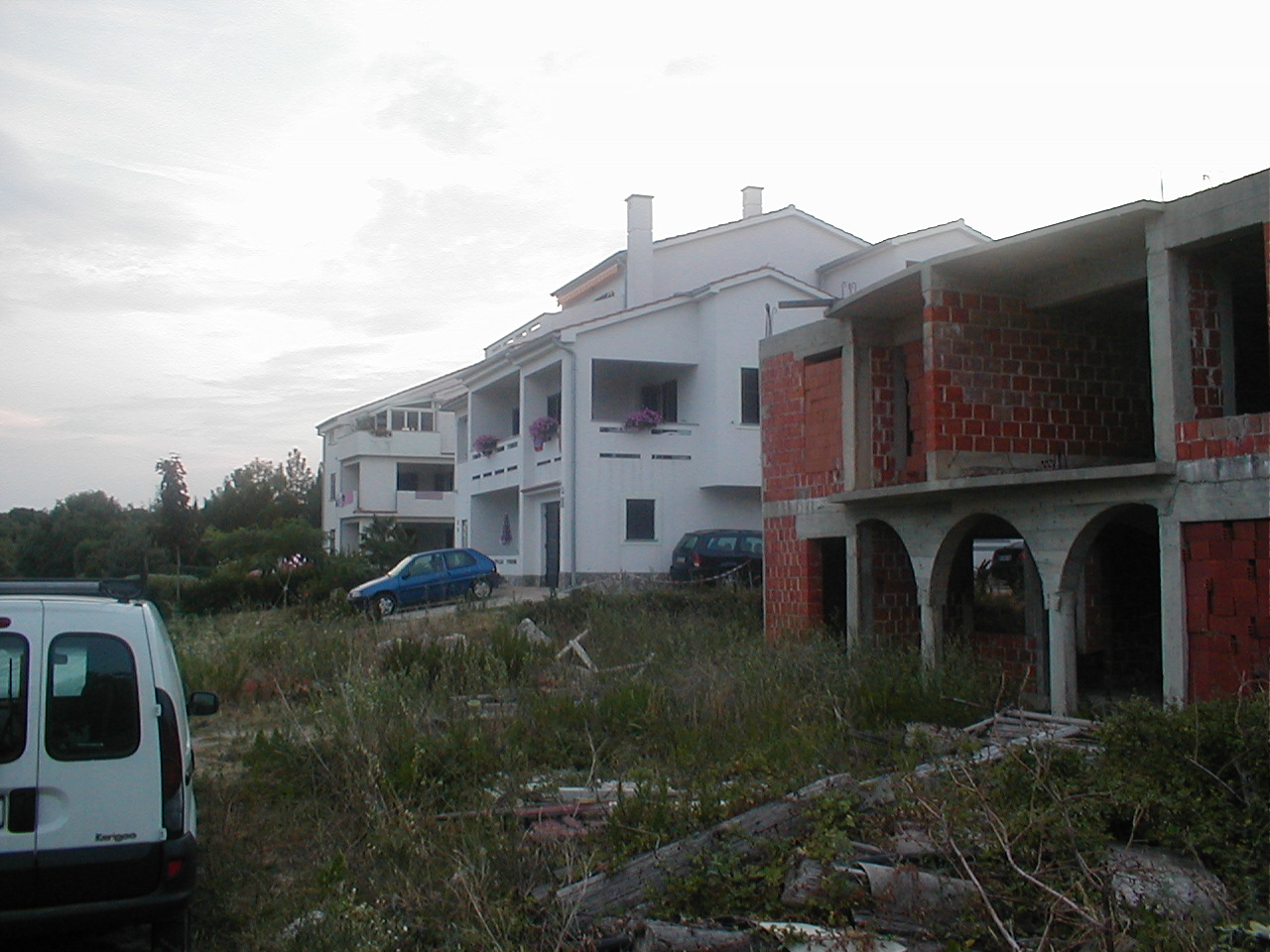 That combination is a big part of why people like it here. It is also why sellers in these neighborhoods end up dealing with the same kinds of repairs and the same kinds of questions.
The trees are the first thing. Mature oaks and pines are beautiful, but roots get into sewer lines, limbs hang over roofs, and leaves fill gutters. Before you list, it is worth having someone look at the sewer lateral and the roof, and think about whether any tree work is needed. Whether a tree is protected or whether you need a permit to remove one depends on the situation and on the county or city rules where the property sits, so check before you cut.
Then there is the house itself. Older ranch homes often have original plumbing, older wiring, single-pane windows, and HVAC systems that have been patched along the way. Some of that is fine and buyers expect it. Some of it turns into a negotiation once inspections happen. It helps to know in advance what you are dealing with, so you are not surprised mid-escrow. A pre-listing inspection is one way to get ahead of it, though it is optional and depends on your comfort level and timeline.
Large lots bring their own questions. Additions, converted garages, detached shops, pool fences, and fences that may or may not sit on the property line all come up. If permits were never pulled for work done years ago, that can complicate a sale. How it gets handled depends on the situation, and sometimes it means talking to the county about records or getting professional advice. It is not usually a disaster, but it is better to sort it out early than to have a buyer's inspector find it.
Foundations come up too. Some of these homes have settled over the years, and you may see cracks in the driveway or sticking doors. Whether it is cosmetic or something more depends on the situation, and a structural engineer or foundation specialist can tell you. Do not guess.
On the money side, sellers ask about capital gains, what counts as a repair versus an improvement, and how a sale affects their taxes. Those are questions for a CPA, not for me. If you are older and thinking about how the sale fits with your housing plans, a HUD-approved housing counselor can be a good resource. And anything touching title, deeds, or how the property is held should go to a lawyer.
The short version is that these neighborhoods reward sellers who plan ahead. Get the big systems looked at, deal with the trees and the paperwork, and ask the right professionals the right questions. The rest tends to work itself out.
That combination is a big part of why people like it here. It is also why sellers in these neighborhoods end up dealing with the same kinds of repairs and the same kinds of questions.The trees are the first thing. Mature oaks and pines are beautiful, but roots get into sewer lines, limbs hang over roofs, and leaves fill gutters. Before you list, it is worth having someone look at the sewer lateral and the roof, and think about whether any tree work is needed. Whether a tree is protected or whether you need a permit to remove one depends on the situation and on the county or city rules where the property sits, so check before you cut.
Then there is the house itself. Older ranch homes often have original plumbing, older wiring, single-pane windows, and HVAC systems that have been patched along the way. Some of that is fine and buyers expect it. Some of it turns into a negotiation once inspections happen. It helps to know in advance what you are dealing with, so you are not surprised mid-escrow. A pre-listing inspection is one way to get ahead of it, though it is optional and depends on your comfort level and timeline.
Large lots bring their own questions. Additions, converted garages, detached shops, pool fences, and fences that may or may not sit on the property line all come up. If permits were never pulled for work done years ago, that can complicate a sale. How it gets handled depends on the situation, and sometimes it means talking to the county about records or getting professional advice. It is not usually a disaster, but it is better to sort it out early than to have a buyer's inspector find it.
Foundations come up too. Some of these homes have settled over the years, and you may see cracks in the driveway or sticking doors. Whether it is cosmetic or something more depends on the situation, and a structural engineer or foundation specialist can tell you. Do not guess.
On the money side, sellers ask about capital gains, what counts as a repair versus an improvement, and how a sale affects their taxes. Those are questions for a CPA, not for me. If you are older and thinking about how the sale fits with your housing plans, a HUD-approved housing counselor can be a good resource. And anything touching title, deeds, or how the property is held should go to a lawyer.
The short version is that these neighborhoods reward sellers who plan ahead. Get the big systems looked at, deal with the trees and the paperwork, and ask the right professionals the right questions. The rest tends to work itself out.
More notes on this topic are at Arden-Arcade, Carmichael and Fair Oaks houses.
